
Black Cane Corso: Facts, Photos & Are They Rare?

With its glossy, ink-dark coat and powerful build, the black Cane Corso is one of the most striking dogs you'll ever see — often described as looking like a panther in dog form. It's also the color most people picture when they imagine this Italian Mastiff. But is a solid black Cane Corso actually rare? What makes the coat so dark, and does color affect health, temperament, or price? Here's everything you need to know about the all-black Cane Corso.
Is a Black Cane Corso Rare?
Despite its dramatic appearance, the black Cane Corso is not rare — in fact, black is one of the most common colors in the breed. Solid black is fully recognized in the breed standard and appears frequently in litters because the gene responsible for it is dominant.
That said, there's an important distinction. A truly all-black Cane Corso, with no white markings anywhere, is somewhat less common and highly prized by enthusiasts. Many black Corsos carry a small patch of white on the chest, and occasionally on the toes or chin. A minimal white chest patch is generally acceptable in the breed standard, but a completely solid, jet-black coat has a clean, imposing look that many owners specifically seek out.
What Makes a Cane Corso Black? The Genetics
Coat color in dogs is controlled by genes at several locations (loci). In the Cane Corso, a solid black coat is produced by dominant black genetics that override the brindle and fawn patterns seen in other Corsos. Because this black gene is dominant, a puppy only needs to inherit it from one parent to display a black coat — which is why black shows up so reliably.
This is different from "colors" like blue or formentino, which require recessive dilution genes and therefore appear less often. In short: black is common precisely because of how dominant its genetics are.
Do Black Cane Corsos Fade or Change Color?
Yes — many black Cane Corsos lighten over time, especially with sun exposure. A rich black coat can develop a reddish or brownish tint on areas that get the most sunlight, a phenomenon owners sometimes call "sun-bleaching" or "rusting." This is purely cosmetic and doesn't affect the dog's health.
Puppies can also look different from adults. Some black Corso puppies have a slightly duller or brownish cast that deepens into a glossier black as they mature. Diet, coat condition, and overall health all play a role in how rich and shiny the adult coat looks.
Black Cane Corso Appearance
Beyond the coat, a black Cane Corso shares all the classic breed features:
- A large, muscular, athletic body
- A broad, imposing head with a strong muzzle
- Dark eyes that blend into the coat for an intense expression
- A black nose and dark pigmentation around the eyes and lips
- A short, dense, low-maintenance coat with a subtle sheen
The all-black coloring tends to emphasize the breed's muscular silhouette, giving black Corsos an especially powerful, statuesque presence.
Black vs Other Cane Corso Colors
How does the black Corso stack up against the breed's other coats? Here's a quick comparison:
- Black – The most common and one of the most dramatic. Fully standard, genetically robust, and often more affordable.
- Grey/Blue – A diluted black that appears slate-grey. Rarer and pricier, but carries a higher risk of skin issues like color dilution alopecia.
- Fawn – A tan-to-light-brown coat, usually with a dark mask. Common and popular.
- Formentino – A rare, sought-after blue-fawn coat that commands a premium.
- Brindle – Striped patterns over a base color, ranging from subtle to striking.
Among these, black stands out for combining maximum visual impact with a common, accessible, and genetically sound coat. If you love the classic Corso look without the health caveats or price premium of the dilute colors, black is hard to beat.
Temperament: Does Coat Color Matter?
No. A common myth is that black dogs — or specific coat colors — are more aggressive or more protective. This simply isn't true. Coat color has no effect on temperament. A black Cane Corso has the same breed personality as any other Corso: loyal, deeply bonded to its family, naturally protective, intelligent, and reserved with strangers.
As with all Cane Corsos, temperament is shaped by genetics, early socialization, and training — not by the color of the coat. A well-bred, well-socialized black Corso is a calm, confident, affectionate guardian.
Black Cane Corso Price
Because black is a common and readily available color, a black Cane Corso puppy is often priced at the more affordable end of the breed's range — typically $1,500 to $3,000 from a reputable breeder, compared to the premiums charged for rarer colors like blue, formentino, or straw.
However, price should never be your primary concern. A health-tested black puppy from a responsible breeder is a far better investment than a "rare-colored" puppy from a breeder who cuts corners. Always prioritize health screening, temperament, and breeding ethics over coat color.
Health and Care
A black Cane Corso is prone to the same health considerations as the breed overall, including:
- Hip and elbow dysplasia — common in large breeds
- Bloat (gastric dilatation-volvulus) — a serious risk in deep-chested dogs
- Heart conditions such as dilated cardiomyopathy
- Eye issues including cherry eye and entropion
Importantly, the black coat itself carries no special health problems — unlike the blue (dilute) coat, which can be linked to color dilution alopecia. Black is a "full-color" coat and is considered genetically robust.
Grooming is easy: a weekly brush keeps the short coat shiny and removes loose hair, with more frequent brushing during shedding seasons. Bathe every 6–8 weeks, and keep up with nails, ears, and teeth. To keep that black coat looking its best, feed a high-quality diet rich in omega-3 fatty acids, which support skin and coat health.
Photos: What to Look For
When browsing photos of black Cane Corsos, you'll notice the coat can range from a deep, glossy jet-black to a slightly faded charcoal in older or sun-exposed dogs. Look for:
- A clean, even black coat with a healthy sheen
- Strong, dark pigmentation on the nose and around the eyes
- A muscular, well-proportioned frame typical of the breed
A shiny, well-conditioned black coat is often a good sign of overall health and nutrition.
Is a Black Cane Corso Right for You?
If you love the classic, powerful look of the breed, a black Cane Corso is a fantastic choice — striking, widely available, often more affordable, and genetically healthy. Just remember that beneath that impressive coat is a large, guardian-type dog that needs experienced ownership, early socialization, consistent training, and plenty of exercise.
Choose your puppy based on health and temperament first, and let the beautiful black coat be the bonus. Do that, and you'll have a loyal, imposing, and endlessly devoted companion for years to come.
Frequently asked questions
About The Corso Journal Editorial Team
We are long-time Cane Corso owners and writers who research each guide against breed standards, veterinary literature and the lived experience of owners. Every article is reviewed before publication and revised as guidance changes. Read our editorial standards.
Veterinary disclaimer: this article is general information, not medical advice. Always consult your own veterinarian about your individual dog, and seek emergency care immediately for urgent symptoms such as suspected bloat.
Related articles
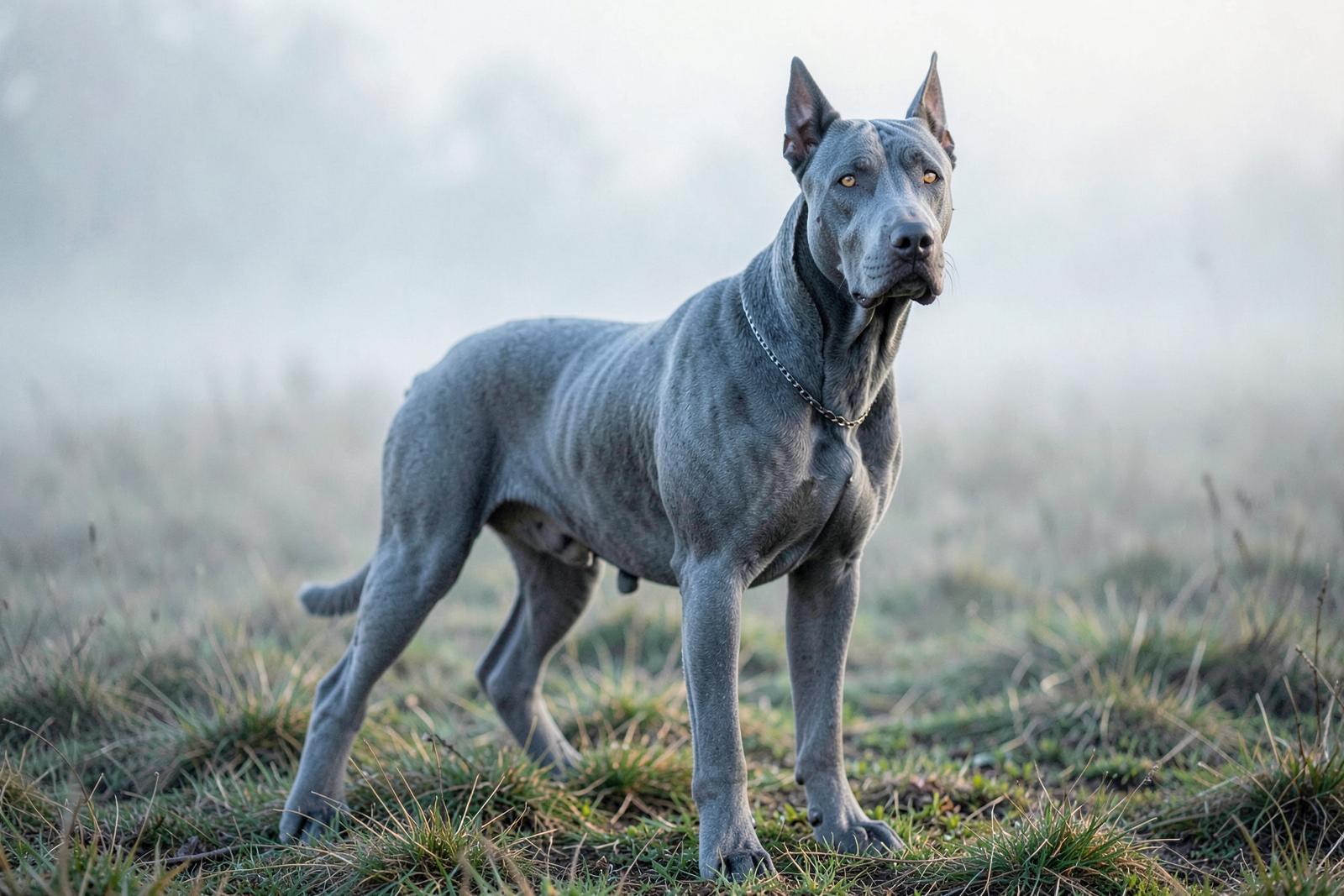
Blue Cane Corso: The Complete Guide to the Grey-Coated Corso
The blue Cane Corso is one of the most sought-after variations of this Italian Mastiff — prized for its cool, smoky-grey coat and piercing gaze. But despite the name, a "blue" Corso isn't actually blue at all.
August 5, 2026