
Blue Cane Corso: The Complete Guide to the Grey-Coated Corso
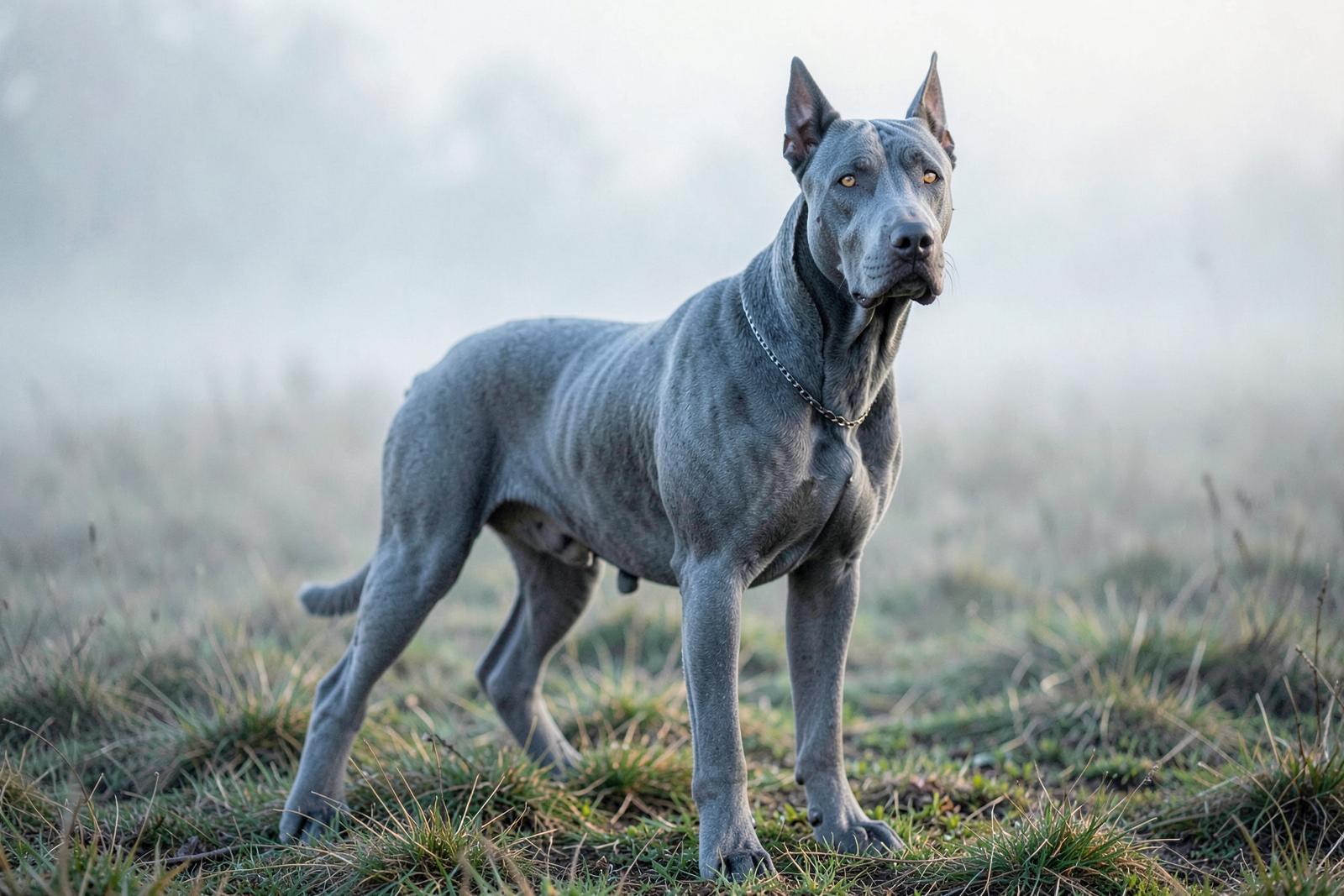
The blue Cane Corso is one of the most sought-after variations of this Italian Mastiff — prized for its cool, smoky-grey coat and piercing gaze. But despite the name, a "blue" Corso isn't actually blue at all. Here's the complete guide to the grey-coated Cane Corso: what "blue" really means, the genetics behind it, how much these dogs cost, and the special health and care considerations every blue Corso owner should know.
What Is a Blue Cane Corso?
A blue Cane Corso is a Corso with a diluted black coat that appears grey, slate, or charcoal. In the dog world, "blue" is the traditional term for this grey coloring — the same way a "blue" Great Dane or "blue" Staffordshire Terrier is really a shade of grey. So when breeders advertise a blue Cane Corso Italiano, they're describing a striking grey dog, not a literally blue one.
Blue Corsos typically have:
- A solid grey to dark slate coat
- A grey (rather than black) nose and grey pigmentation around the eyes
- Lighter eyes as puppies — often amber, gold, or pale — that may darken with age
- The same powerful, muscular Cane Corso build
Blue vs Grey Cane Corso: What's the Difference?
This is one of the most common questions, and the answer is simple: "blue" and "grey" refer to the same thing. Genetically, a blue Cane Corso is a grey Cane Corso. Some owners and breeders use "grey" for lighter shades and "blue" for deeper, more slate-toned coats, but there is no official separation — it's the same dilute coloring described with different words. If you're comparing a "blue" and a "grey" Corso, you're really just comparing two shades of the same dilute coat.
The Genetics: Why a Corso Is "Blue"
A blue coat is the result of a recessive dilution gene (at the D locus). Here's how it works in simple terms:
- Black coat color is controlled by pigment called eumelanin.
- The dilution gene (dd) "waters down" that black pigment, spreading it more thinly along each hair.
- The visual result is grey instead of black — a blue Corso.
Because dilution is recessive, a puppy must inherit the dilution gene from both parents to be born blue. This is why blue Corsos are less common than black ones: black is dominant and appears easily, while blue requires two copies of a recessive gene. That relative rarity is a big part of why blue Corsos are so desirable — and often more expensive.
Full-Grown Blue Cane Corso: What to Expect
A full-grown blue Cane Corso is every bit as impressive as any other Corso. Size is determined by breeding and sex, not coat color:
| Trait | Male | Female |
|---|---|---|
| Height | 25–27.5 in | 23.5–26 in |
| Weight | 99–110 lbs | 88–99 lbs |
| Lifespan | 9–12 years | 9–12 years |
As a blue puppy matures, the coat often deepens and the lighter puppy eyes may darken. The grey coat, paired with a grey nose and often light-to-amber eyes, gives the adult blue Corso a distinctive, almost wolf-like intensity that stands apart from the classic black Corso.
Eye Color in Blue Cane Corsos
One of the most captivating features of a blue Corso is the eyes. Because the same dilution that lightens the coat also affects pigment elsewhere, many blue Corso puppies are born with strikingly light eyes — pale blue, gold, amber, or grey. As the puppy matures, these eyes typically darken toward amber or brown, though they often stay lighter than a black Corso's deep brown eyes. This combination of a smoky-grey coat, grey nose, and light amber gaze is exactly what gives the adult blue Corso its distinctive, almost wolf-like intensity. Very pale or blue eyes that persist into adulthood are considered a fault in the show ring, but they have no bearing on a pet's health or ability to be a wonderful companion.
Temperament: Is a Blue Corso Different?
No. A blue Cane Corso has exactly the same breed temperament as any other Corso — loyal, protective, intelligent, deeply bonded to family, and reserved with strangers. Coat color has no influence on personality. Any differences you see between individual dogs come down to genetics, socialization, and training, not the color of the coat. Don't fall for claims that blue Corsos are "calmer" or "more aggressive" — there's no truth to it.
Blue Cane Corso Price
Because the blue coat requires two recessive genes and is less common, a blue Cane Corso puppy typically costs more than a standard black or fawn Corso. Expect to pay roughly $2,000 to $4,000+ from a reputable breeder, with premium bloodlines going higher.
A word of caution: the popularity and price of blue Corsos have attracted irresponsible breeders who prioritize the "rare" color over health. Never choose a puppy on color alone — insist on health testing and ethical breeding practices first (more on why below).
Health: The One Big Consideration
This is the most important section for any prospective blue Corso owner. The same dilution gene that creates the beautiful grey coat is linked to a condition called Color Dilution Alopecia (CDA).
CDA is a genetic skin condition that affects some (not all) dilute-coated dogs. Symptoms can include:
- Gradual hair thinning or hair loss, often on the body
- Dry, flaky, or itchy skin
- Recurrent skin infections in affected areas
- A dull, patchy coat
CDA isn't life-threatening and can be managed with proper skin care, medicated shampoos, and veterinary support, but it can be a lifelong issue. Not every blue Corso develops it — but the risk is higher than in full-color coats. This is exactly why buying from a responsible breeder who health-tests their lines matters so much for blue Corsos specifically.
Beyond CDA, blue Corsos share the breed's general health considerations: hip and elbow dysplasia, bloat, heart conditions, and eye issues.
Caring for a Blue Cane Corso's Coat
Good coat and skin care helps every blue Corso look and feel its best:
- Brush weekly to remove loose hair and distribute natural oils.
- Bathe with a gentle, moisturizing shampoo — avoid over-bathing, which can dry the skin.
- Feed a high-quality diet rich in omega-3 fatty acids to support skin and coat health.
- Monitor the skin for early signs of thinning, flaking, or irritation, and see your vet promptly if you notice changes.
Otherwise, care is the same as for any Corso: plenty of exercise, early socialization, consistent training, and routine veterinary care.
Is a Blue Cane Corso Right for You?
The blue Cane Corso is a genuinely stunning dog — rare, elegant, and every bit the powerful guardian the breed is known for. If you're drawn to that smoky-grey coat, it can be a fantastic choice. Just go in with open eyes: prioritize a health-testing, ethical breeder, be aware of the higher risk of skin issues like CDA, and remember that beneath the beautiful coat is a large, serious working dog that needs an experienced, committed owner.
Choose health and temperament first, and let the gorgeous blue coat be the finishing touch on a loyal companion for life.
Frequently asked questions
About The Corso Journal Editorial Team
We are long-time Cane Corso owners and writers who research each guide against breed standards, veterinary literature and the lived experience of owners. Every article is reviewed before publication and revised as guidance changes. Read our editorial standards.
Veterinary disclaimer: this article is general information, not medical advice. Always consult your own veterinarian about your individual dog, and seek emergency care immediately for urgent symptoms such as suspected bloat.
Related articles

Black Cane Corso: Facts, Photos & Are They Rare?
With its glossy, ink-dark coat and powerful build, the black Cane Corso is one of the most striking dogs you'll ever see — often described as looking like a panther in dog form. It's also the color most…
August 18, 2026